


Trees are an essential part of our planet's ecosystem. They play a vital role in regulating the climate, providing habitat for wildlife, and producing oxygen. Here are some of the most important reasons why trees are crucial for the health of our planet:
1. Oxygen production: Trees produce oxygen through the process of photosynthesis, which involves taking in carbon dioxide and releasing oxygen into the atmosphere. This helps to purify the air and make it safe for us to breathe. One mature tree can produce enough oxygen to support two people for an entire year.
2. Carbon dioxide absorption: Trees absorb carbon dioxide from the atmosphere and store it in their trunks, branches, and leaves. This helps to reduce the amount of heat-trapping gases in the air and prevent global warming.
3. Ecosystem support: Trees provide habitat for a variety of wildlife, including birds, insects, and mammals. They also provide food and shelter for many species, helping to maintain the delicate balance of the ecosystem.
4. Soil protection: Trees help to prevent soil erosion by holding the soil in place with their roots. This helps to maintain healthy soils and prevent nutrient loss.
5. Water regulation: Trees help to regulate the water cycle by absorbing water from the ground and releasing it into the atmosphere through transpiration. This helps to maintain healthy watersheds and prevent floods and droughts.
6. Aesthetic value: Trees provide beauty and visual interest to our landscapes. They can be used to create shade, windbreaks, and privacy screens, and they can also increase property values.
Despite their importance, trees are often threatened by deforestation, climate change, and other human activities. It is important for us to protect and preserve our forests for future generations. Planting new trees and supporting efforts to reduce deforestation can help to ensure that trees continue to play an important role in our planet's ecosystem.
In conclusion, trees are essential for the health of our planet. They produce oxygen, absorb carbon dioxide, provide habitat for wildlife, and help to protect soils and watersheds. By protecting and preserving our forests, we can help to ensure a healthy and sustainable future for ourselves and for the planet.
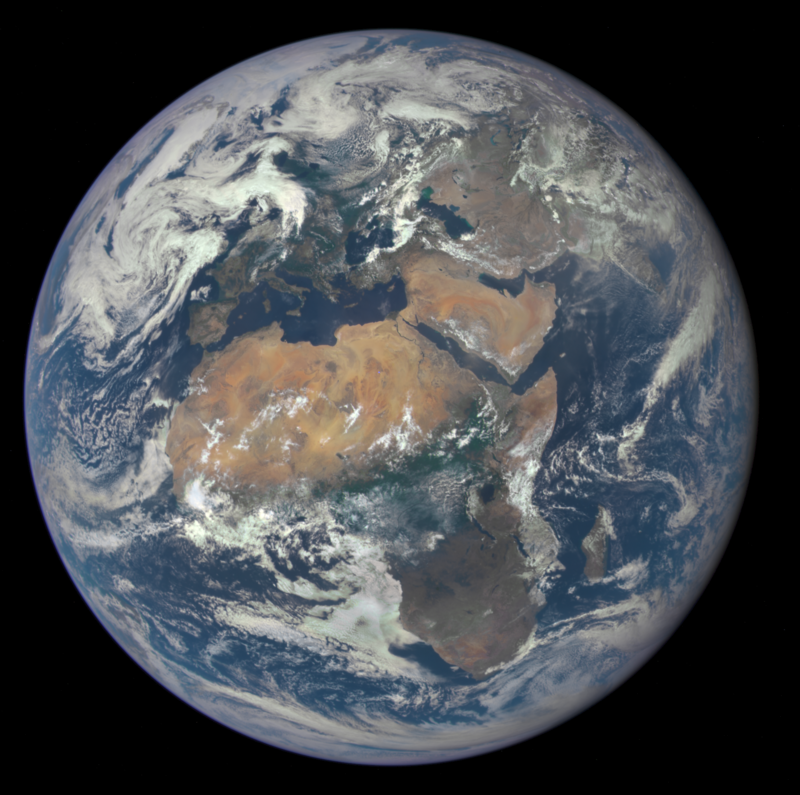
Save planet
Trees are the lungs of the planet
8101 Flower Ave, Takoma Park, MD 20912, USA
Lightweight planets are defined as planets that have a mass less than 0.1% that of Earth. This means that they can range in mass from just a few times the mass of the Moon to several times the mass of Jupiter.
One of the most famous lightweight planets is Mars. This rocky planet has a mass of just 0.1 times that of Earth and has been the subject of numerous space missions.
Another type of lightweight planet is the gas giant. These planets, like Jupiter and Saturn, have masses that are much larger than Earth but are still considered lightweight compared to other gas giants.
Big tree - green giant
8101 Flower Ave, Takoma Park, MD 20912, USA
The tallest tree in the world is a coast redwood named Hyperion, which stands at 379.7 feet (115.7 meters) tall. This tree is located in California, USA, and was discovered in 2006.
The largest tree in the world is a giant sequoia named General Sherman, which has a volume of 52,508 cubic feet (1,487 cubic meters). This tree is located in California, USA, and is estimated to be around 2,200 years old.
Some giant trees have been known to live for over 3,000 years. The oldest known tree is a bristlecone pine named Methuselah, which is estimated to be around 4,850 years old.
I hope that together we can save the world
123 Main Street, Anytown, USA
Trees are an essential part of our planet's ecosystem. They provide us with oxygen, absorb carbon dioxide, and help to regulate the climate. Trees also provide us with food, medicine, and materials for shelter and clothing.
One of the most important functions of trees is the production of oxygen. Trees absorb carbon dioxide from the atmosphere during photosynthesis and convert it into oxygen. This process helps to purify the air and make it safe for us to breathe. In fact, one mature tree can produce enough oxygen to support two people for an entire year.
The world is a home for trees
8101 Flower Ave, Takoma Park, MD 20912, USA
Despite their low mass, lightweight planets can have a variety of interesting features. For example, Mars has the largest volcano in the solar system, Olympus Mons, and Saturn has a massive ring system made up of ice and rock.
Lightweight planets are also important for understanding the formation and evolution of our solar system and other planetary systems in the universe.
In recent years, advancements in technology have allowed us to detect more and more lightweight planets orbiting other stars. These discoveries have opened up new avenues for research and exploration.
Oxygen production
Trees produce oxygen through the process of photosynthesis, which involves taking in carbon dioxide and releasing oxygen into the atmosphere.

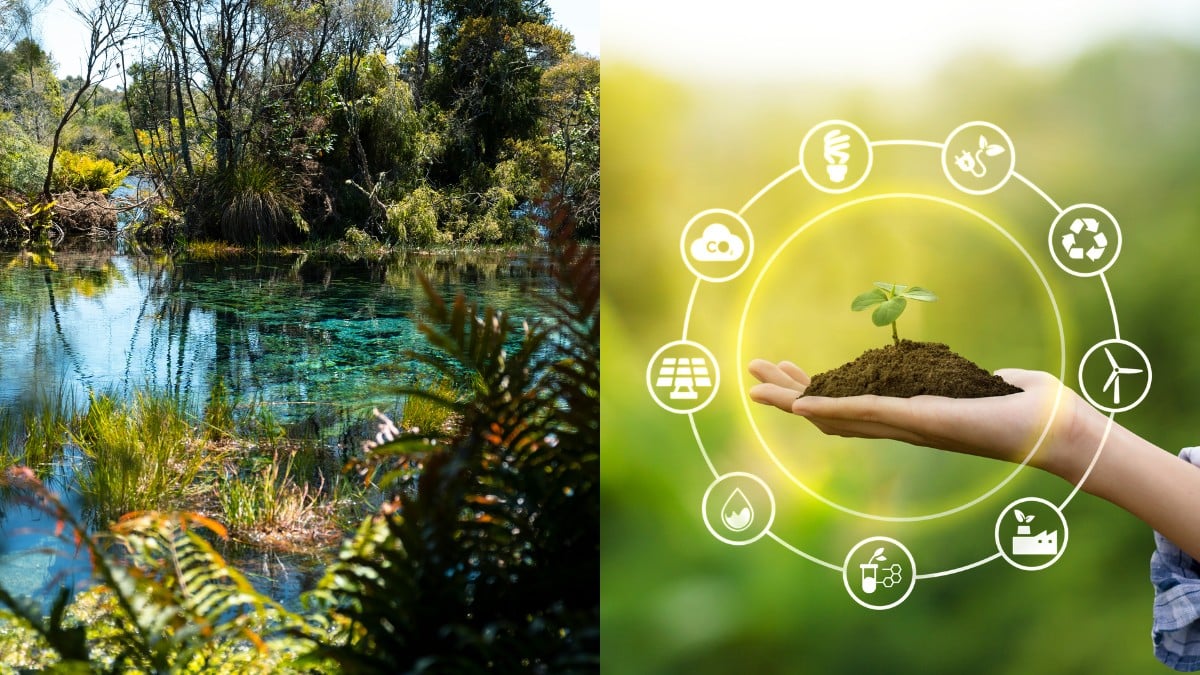
Ecosystem
Trees provide habitat for a variety of wildlife, including birds, insects, and mammals. They also provide food and shelter for many species, helping to maintain the delicate balance of the ecosystem.Trees provide habitat for a variety of wildlife, including birds, insects, and mammals. They also provide food and shelter for many species, helping to maintain the delicate balance of the ecosystem.
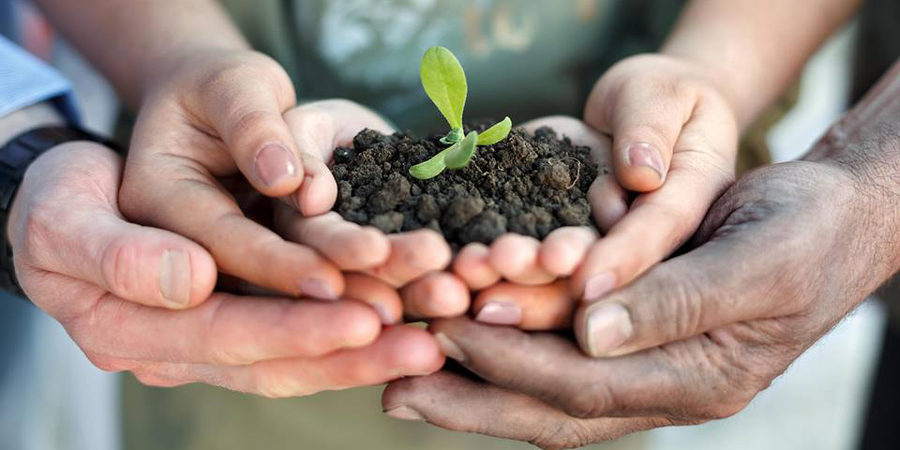
Soil protection
Trees help to prevent soil erosion by holding the soil in place with their roots. This helps to maintain healthy soils and prevent nutrient loss.Trees help to prevent soil erosion by holding the soil in place with their roots. This helps to maintain healthy soils and prevent nutrient loss.

Water regulation
Trees help to regulate the water cycle by absorbing water from the ground and releasing it into the atmosphere through transpiration. This helps to maintain healthy watersheds and prevent floods and droughts.Trees help to regulate the water cycle by absorbing water from the ground and releasing it into the atmosphere through transpiration. This helps to maintain healthy watersheds and prevent floods and droughts.

Aesthetic value
Trees provide beauty and visual interest to our landscapes. They can be used to create shade, windbreaks, and privacy screens, and they can also increase property values.Trees provide beauty and visual interest to our landscapes. They can be used to create shade, windbreaks, and privacy screens, and they can also increase property values.
Facts about forest
Deforestation
Deforestation, which involves the clearing and destruction of forests, is a major environmental issue that contributes to climate change, loss of biodiversity, and soil erosion.
Plants and animals
Forests are home to more than half of the world's terrestrial species of plants and animals.
Flooding and droughts
Forests play a critical role in regulating the water cycle by absorbing and storing water from rainfall and releasing it slowly over time, helping to prevent flooding and droughts.
Trees
Trees in forests absorb carbon dioxide from the atmosphere and store it in their trunks, branches, and leaves, helping to reduce greenhouse gas emissions and prevent global warming.
Our mission
Forests are a vital part of our planet's ecosystem, providing habitat for millions of species, regulating the water cycle, and absorbing carbon dioxide from the atmosphere. However, forests are threatened by deforestation, which involves the clearing and destruction of forests for commercial or agricultural use. Deforestation is a major environmental issue that contributes to climate change, loss of biodiversity, and soil erosion.
